January 16, 2026
Dylan Andrews Interview: Coaching, Culture & the Real Problem Facing Modern MMA Fighters
Dylan Andrews on Coaching, Culture, and Why Fighters Need to Be Better Humans — Not Just Better Athletes
There are interviews where you talk about fights.
And then there are interviews where you talk about life.
This conversation with Dylan “The Villain” Andrews firmly belongs in the second category.
In one of the most insightful episodes of The Australian MMA Podcast, Andrews pulls back the curtain on modern fight culture, the dangers of social media, and what he believes a coach’s real responsibility is — and it has very little to do with teaching a jab.
“Your job as a coach isn’t just to make that fighter good.
You need to make that human good.”
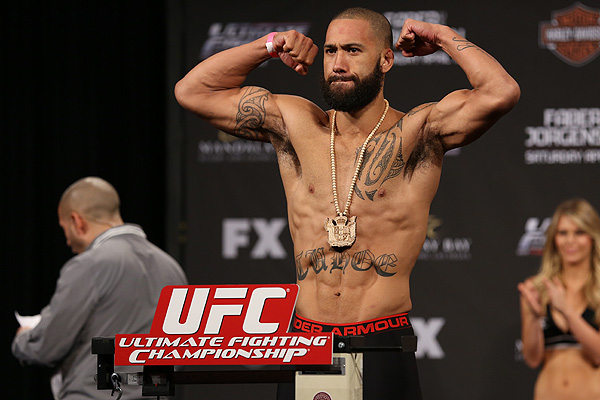
It’s a raw, honest, and deeply reflective discussion from a man who has lived every side of the sport — from fighting on The Ultimate Fighter, to competing in the UFC, to now shaping the next generation through DTV Academy on the Gold Coast.
One of the architects of ANZAC MMA success
Without exaggeration, Dylan Andrews is one of the reasons Australian and New Zealand MMA is where it is today.
Born in New Zealand, forged in Australia, and proudly representing both, Andrews came up in an era where there were no shortcuts. No social media hype. No easy matchups. You fought who was put in front of you — often without knowing anything about them.
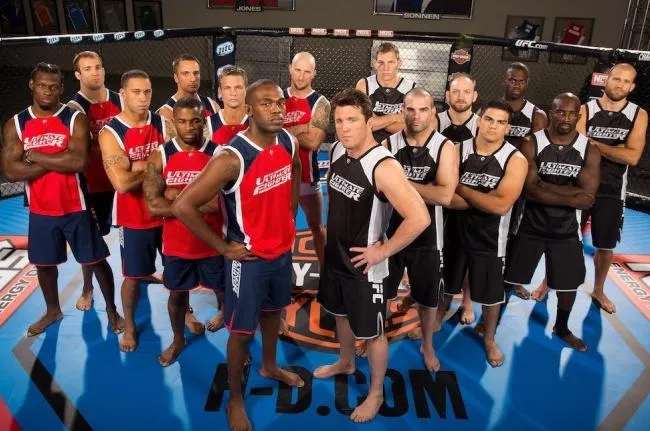
He competed on The Ultimate Fighter 17, coached by Jon Jones and Chael Sonnen, went on to fight five times in the UFC, and built his career the hard way — through consistency, repetition, and work ethic.
That perspective is exactly why his voice carries so much weight now.
“These boys’ minds are more fragile than ever”
One of the strongest themes in the interview is Andrews’ concern for young fighters growing up in the social media era.
He doesn’t blame them — but he’s honest about the consequences.
When fighters are constantly told how great they are online, it creates a dangerous loop:
- praise inflates confidence
- criticism destroys it
- and neither reflects reality
“If 20 people say you’re great, why wouldn’t you believe it?
And if one person says you’re shit, why wouldn’t you believe that too?”
According to Andrews, this constant emotional tug-of-war makes modern fighters more fragile than those who came up 15–20 years ago — not because they’re weaker, but because their focus is constantly being pulled away from what actually matters: training, discipline, and accountability.
His advice to young fighters is blunt:
Do what you need to do for promotion — then stay out of the comments.
Why a coach must be more than a technician
This is where the interview truly separates itself from typical fight content.
For Andrews, coaching isn’t just about technique. It’s about leadership.
He explains that a coach often becomes:
- a father figure
- an older brother
- a moral compass
Especially for fighters who don’t have strong role models outside the gym.
“You need to show them how to treat their partner,
how to treat their kids,
how to treat people.”
He believes that if a coach only produces good fighters — but not good people — then they’ve failed.
Andrews openly credits combat sports for saving his own life, admitting that without MMA and the guidance of his early coaches, his path could have ended in prison or worse.
That lived experience is now passed directly to his athletes.
The Ultimate Fighter moment that changed everything

One of the most powerful stories in the episode is Andrews’ recounting of finally making The Ultimate Fighter — after four attempts.
At the final audition in Las Vegas, he was told to leave the room.
Instead, he turned around.
“I can’t leave.”
That moment — standing his ground when everything pointed toward another rejection — changed his life.
Minutes later, he was in.
It’s a story about belief, timing, and understanding that everything can change in seconds — a lesson Andrews now uses to guide his fighters through the highs and lows of the sport.
From UFC fighter to gym owner
After his UFC run ended — plagued by injuries and a loss of passion — Andrews faced the hardest transition of all: what comes next?
His answer was simple: give back.
Right before COVID shut gyms around the world, Andrews opened DTV Academy, betting on himself while others were pulling back. It wasn’t easy. It wasn’t smooth. But it worked — because the foundation wasn’t hype, it was values.
Now, instead of chasing his own goals, Andrews is building humans who can survive after fighting ends.
Why he won’t name his future stars (yet)
When asked about young prospects in his gym, Andrews refused to name names — and for good reason.
He doesn’t want pressure.
He doesn’t want expectations.
He doesn’t want social media narratives.
“You’ll know who they are in three years.”
For him, potential only matters if it’s protected long enough to turn into something real.
Why this interview matters
This isn’t just a conversation for fighters.
It’s for:
- coaches
- parents
- gym owners
- fans
- and anyone interested in leadership
Dylan Andrews doesn’t speak in clichés. He speaks from experience — and he isn’t trying to be liked. He’s trying to be useful.
If you care about where Australian and New Zealand MMA is heading, this is a must-watch.
Watch the full interview with Dylan Andrews
This episode covers:
- modern fight culture vs old-school mentality
- the impact of social media on fighters
- what coaches should be responsible for
- Dylan’s UFC journey and life after fighting
- building better humans through MMA
📺 Australian MMA Podcast
🎧 Available now on YouTube & podcast platforms